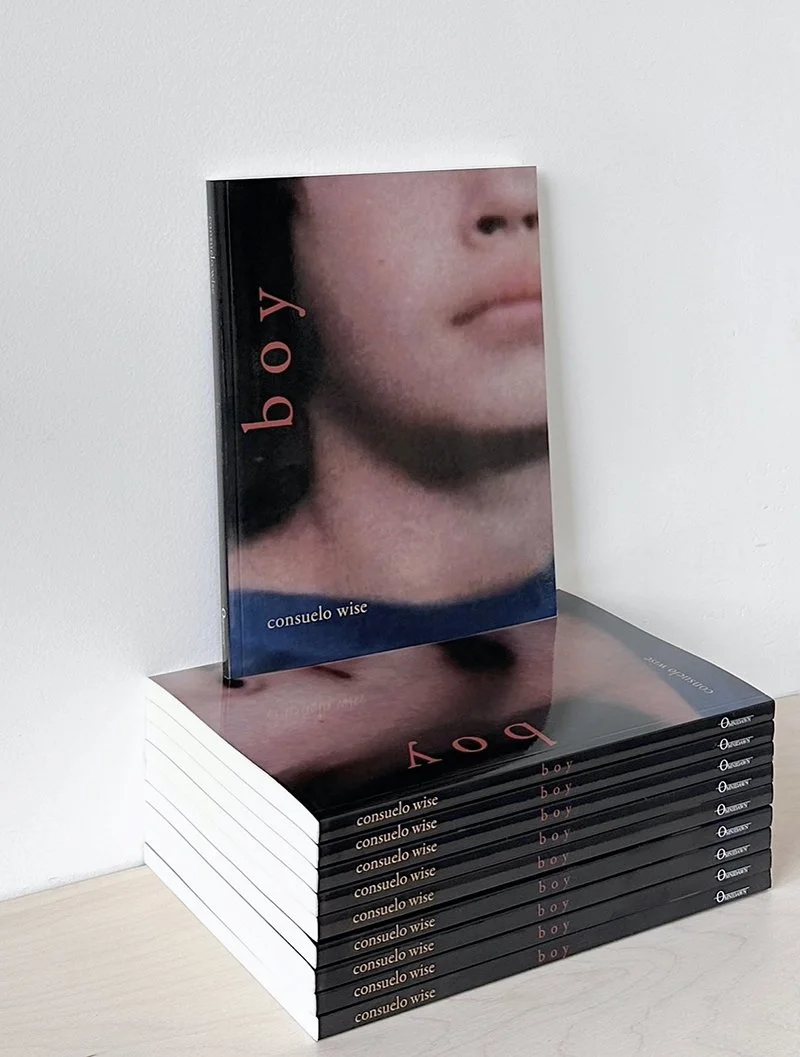
CONSUELO WISE // b o y

On view June 10–July 15, 2026
Opening reception and reading Wednesday, June 10 (7–9pm)
Listening party Wednesday, July 15 (doors open at 8pm, listening starts at 8:20pm, no late admittance)
How to demand of composition that its contrivance come apart, but leave the pieces intact?
How might I live death all the way to the edge of its form?
—Rusty Morrison
Nationale is pleased to present b o y, a new immersive installation built for the Project Room around a long-form poem by Consuelo Wise.
As the first of three exhibitions presented this summer around themes of death, mourning, and memory, b o y explores what happens when loss exceeds language and understanding. For Nationale curator May Barruel, the project returns to a more personal approach to programming, one guided by emotion and intuition, and focused here on grief, remembrance, and the ways art can help us live alongside what cannot be resolved.
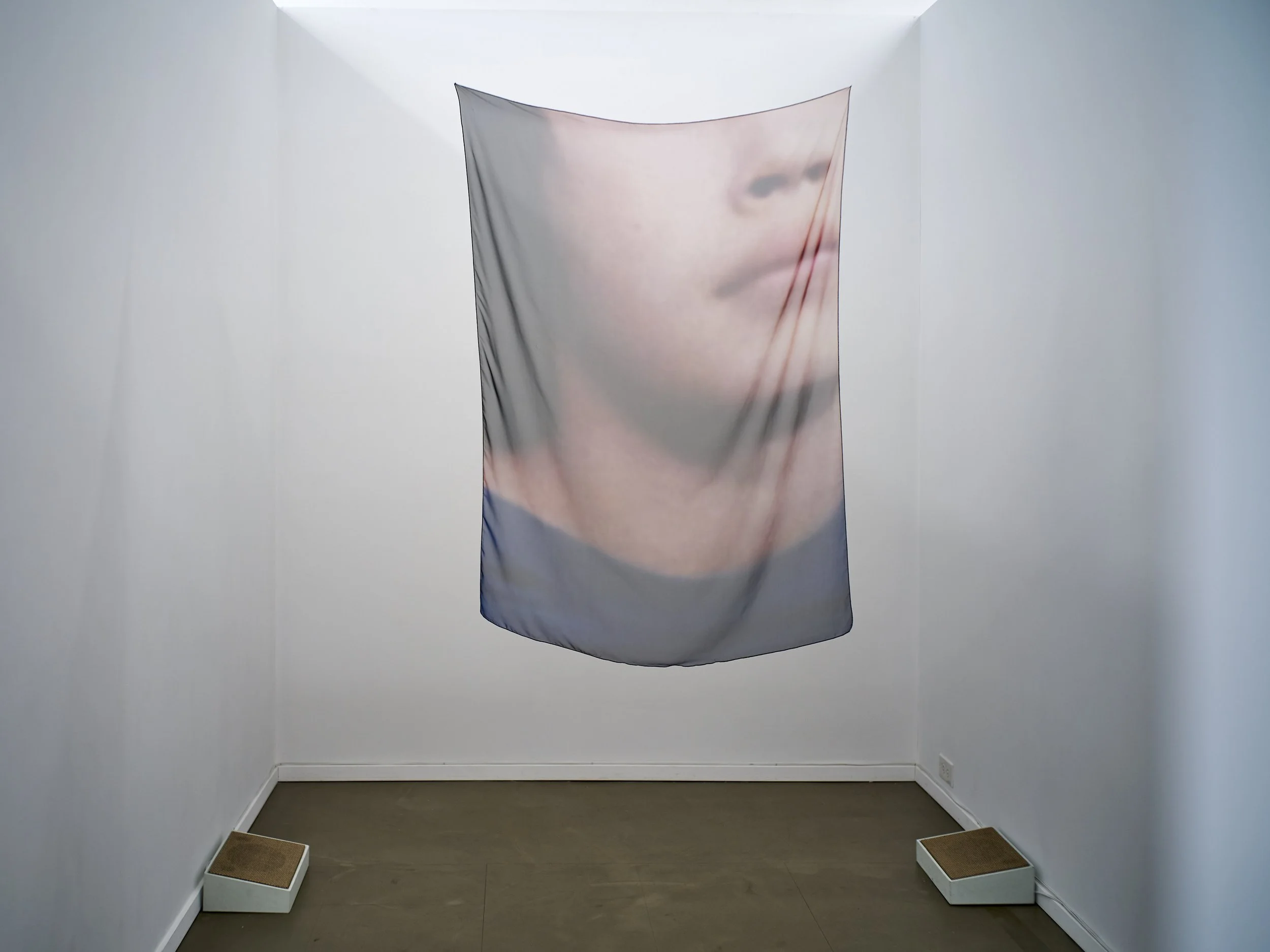
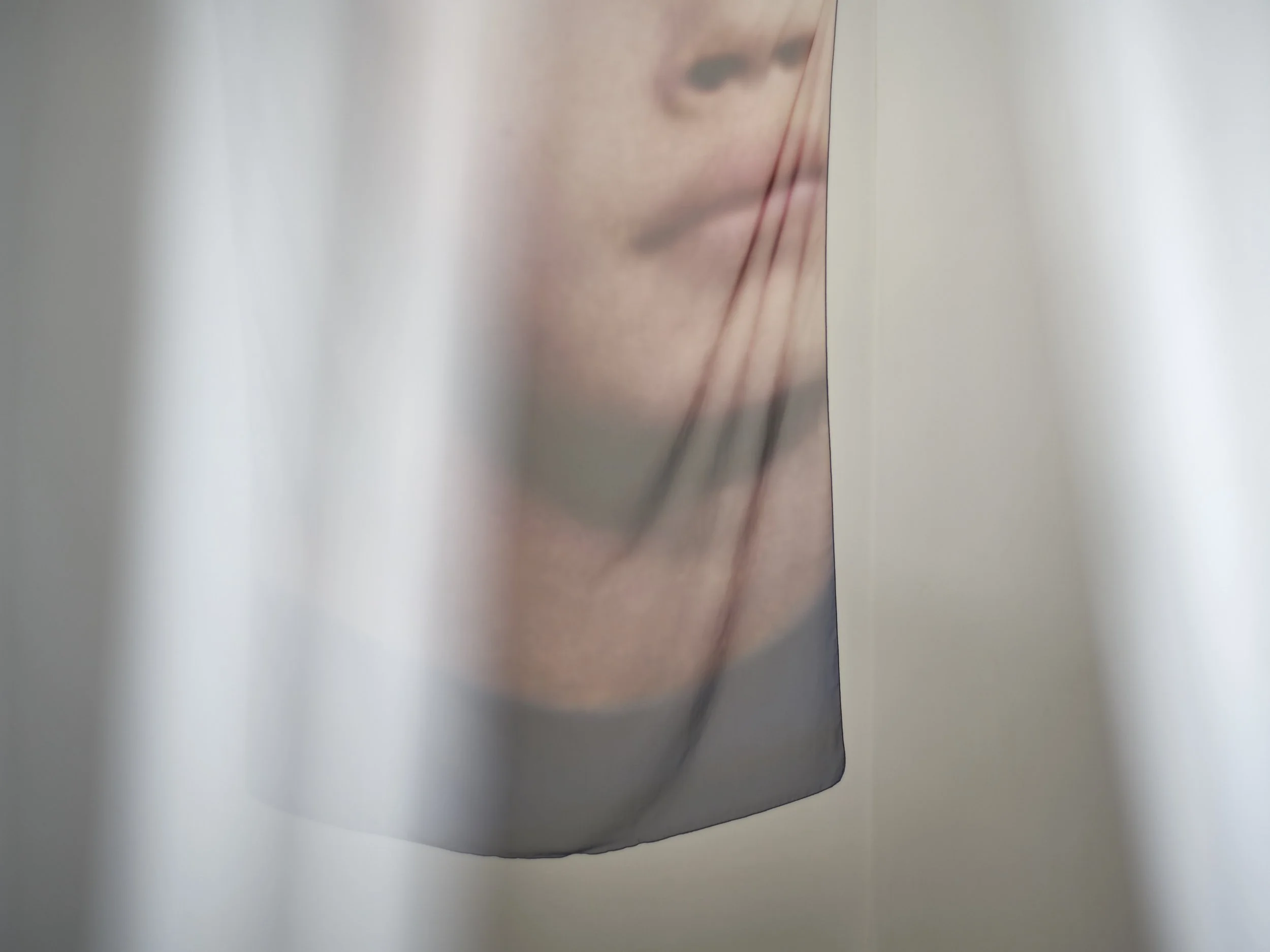
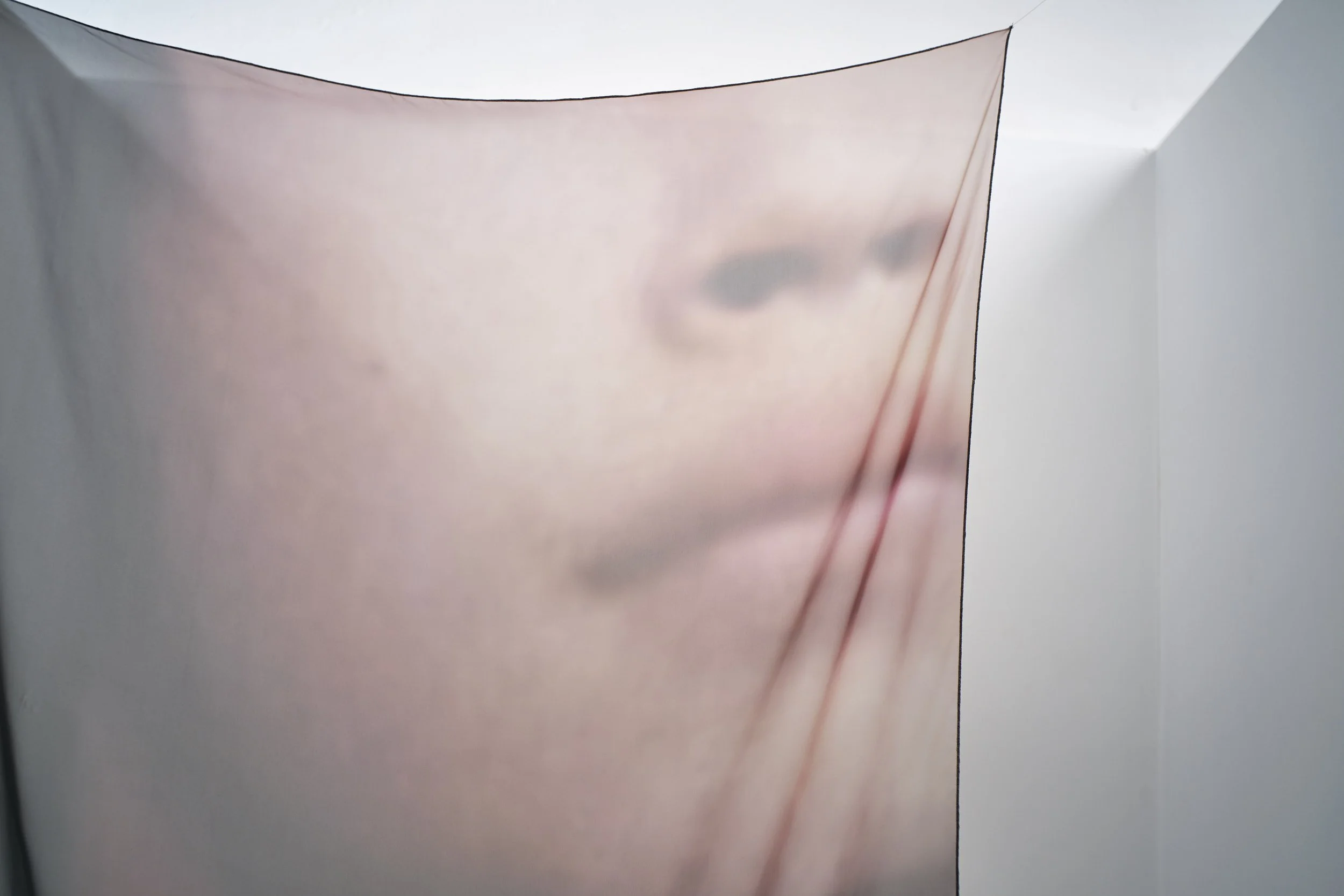
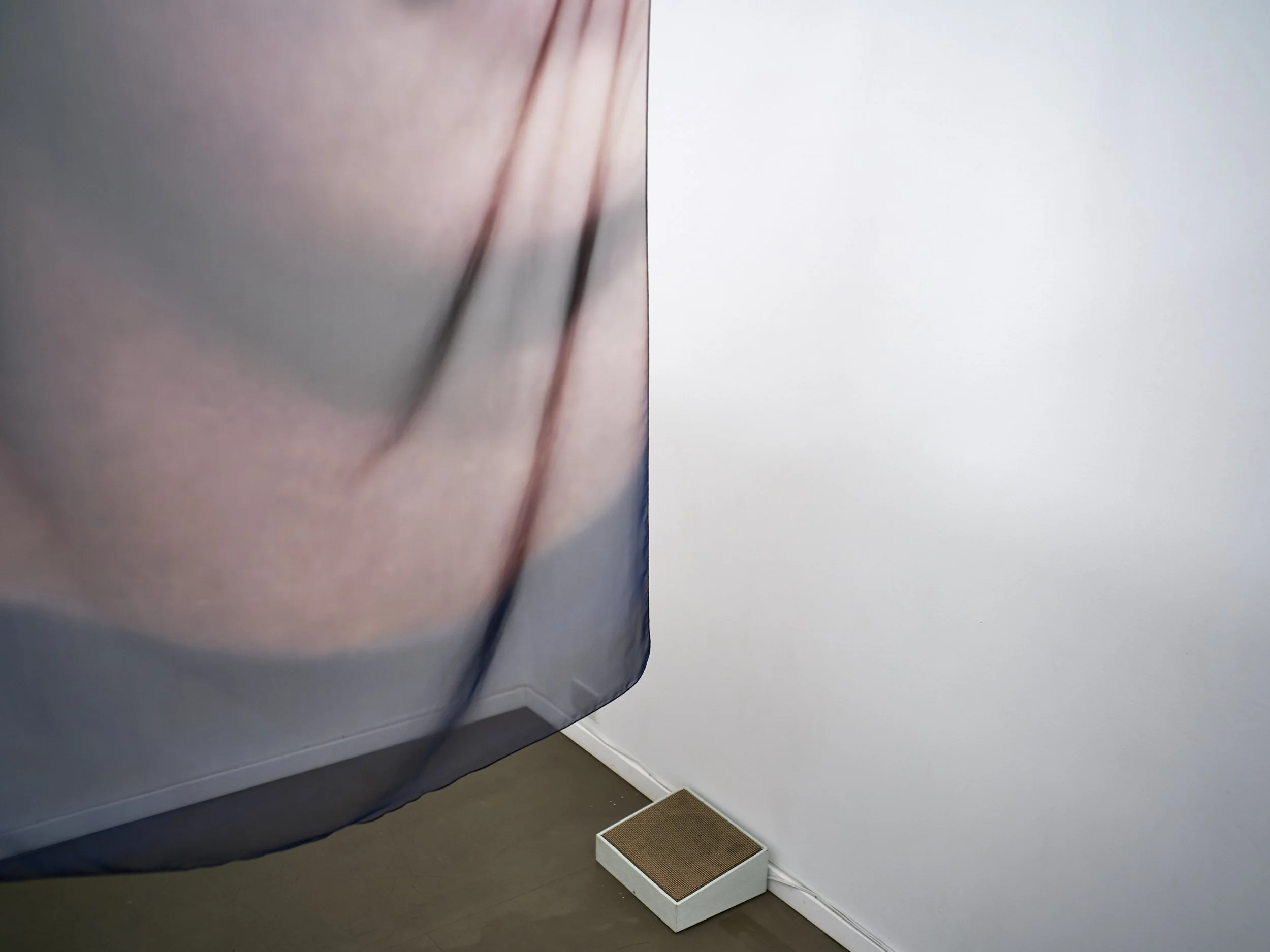
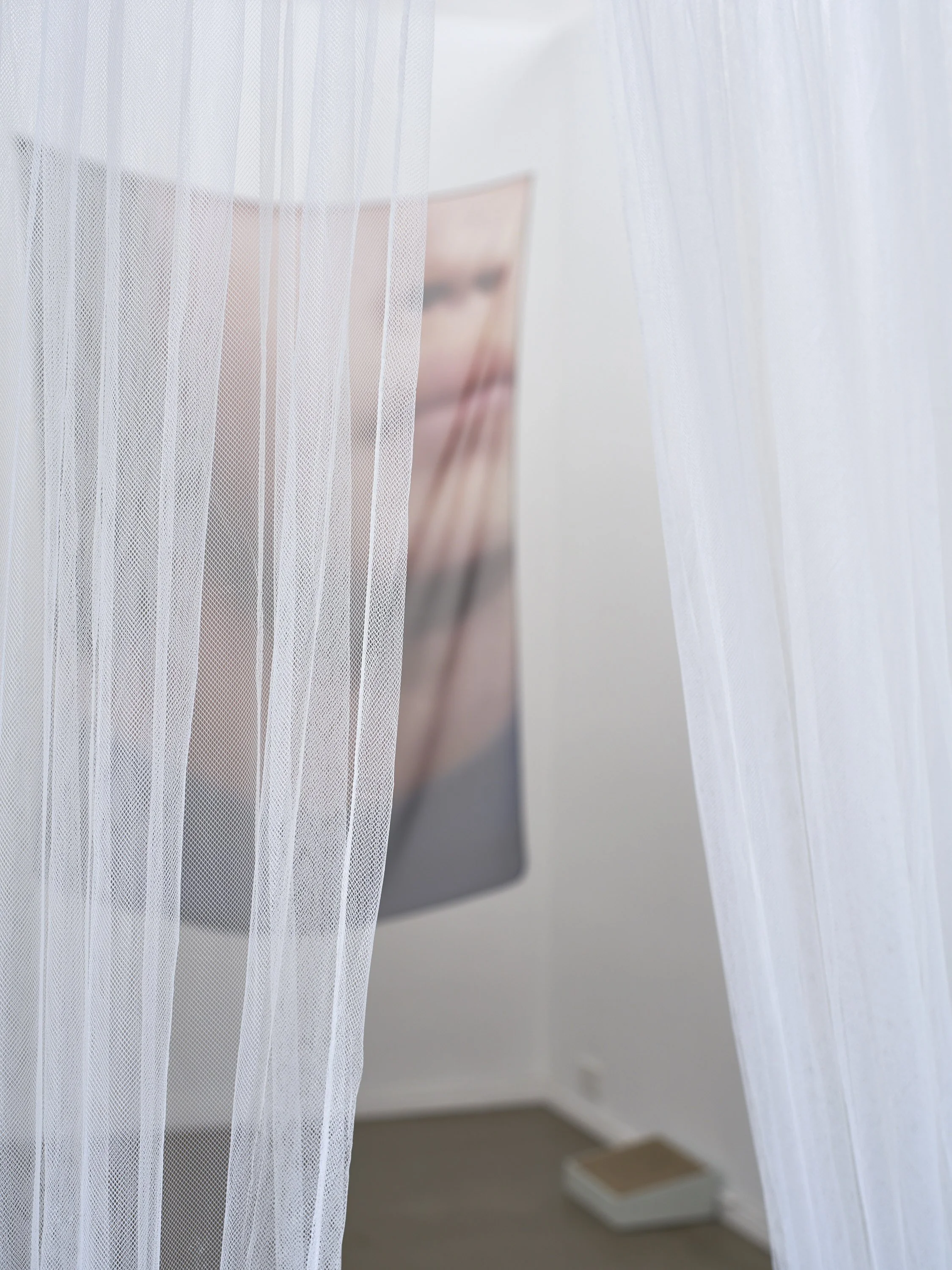
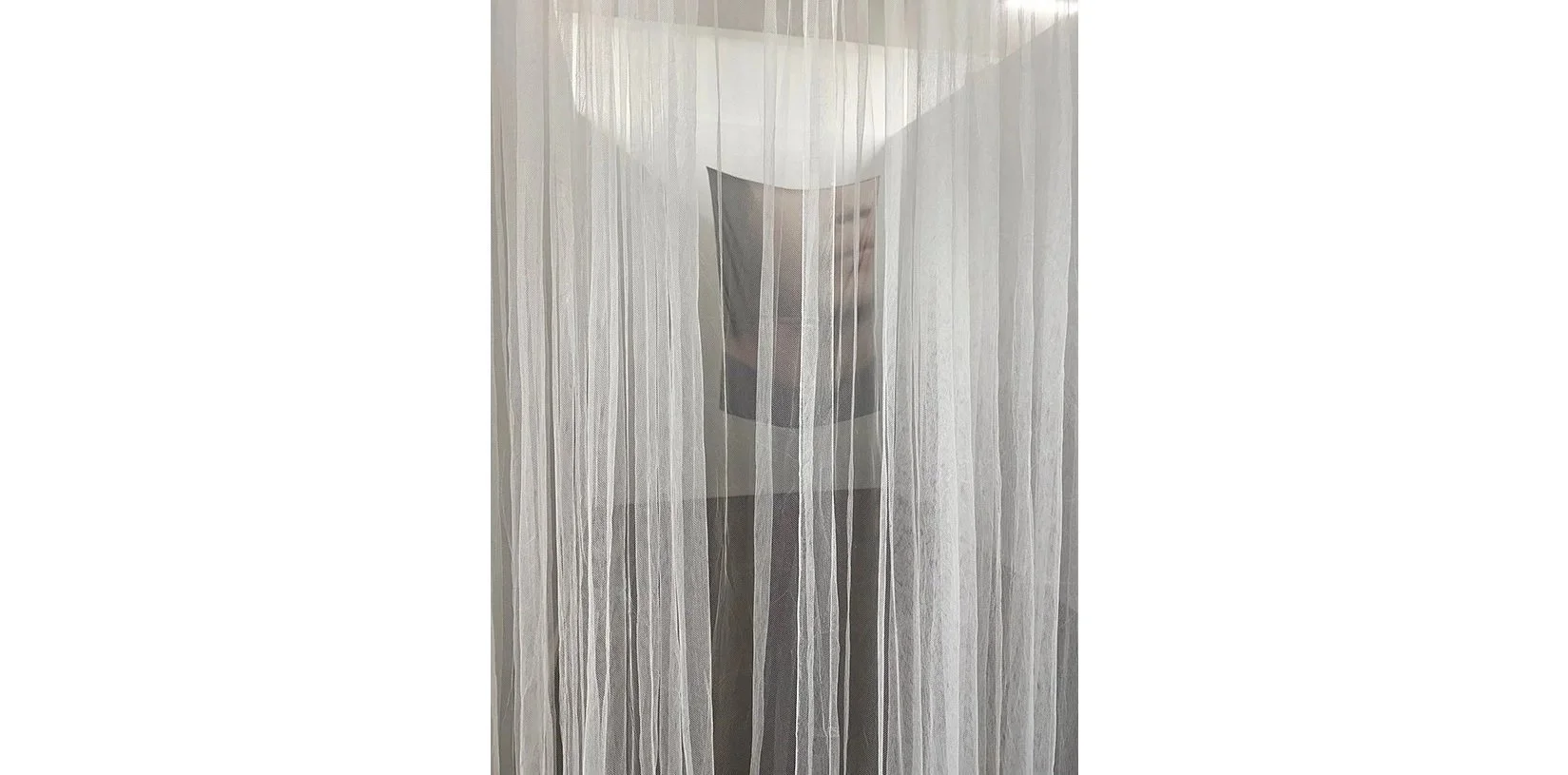
The installation is entered through sheer curtains that separate it from the main gallery. Inside, a continuous recording of Wise reading the poem plays on a loop, alongside a faded family photograph printed on translucent chiffon, the image surviving only through reproduction, creating an oscillation between presence and absence. Wise’s voice fills the compact space, shaping the poem through shifts in emphasis, pacing, and rhythm. She becomes at once author, performer, and conductor of the listener’s experience.
Consuelo Wise is a Guatemalan-American poet and visiting scholar in the Creative Writing Department at Portland State University. b o y , from which this installation is drawn, is her first book (Omnidawn, 2024).
'See I lost two brothers,' Wise writes, 'but once I begin, the boys—all the boys—begin to merge.'
Wise's debut book, b o y, is a meditation on loss and grief. b o y is two of Wise's own brothers, and it is those boys she grew up with, or who didn't grow up, who were lost to stunted opportunity and youthful recklessness, to speeding cars, alcohol, and the US penal system. . . .
In Wise's tracking of sensation, memories return that resist understanding, and form is continually made, continually falls apart. Yet Wise is unflinching in her effort to get at something elusive and necessary. In poems where absence looms, b o y explores the seemingly irreconcilable: how to let the dead go while keeping them close; how to accept that the fragments of memory one is left with are both partial and whole. . . . Wise's stunning syntax, in lines that tumble, undercut, and catch, creates a form that holds grief, while in its fractures extends a singular beauty.
—Michele Glazer, author of fretwork